
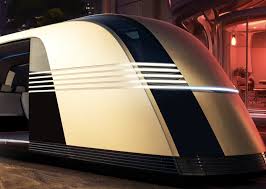
Tesla Cybercab: The $30,000 Robotaxi Revolutionizing Autonomous Transport
- Upcoming Models, Car
- Yalla Wheel
- October 18, 2024
Tesla Cybercab: A Glimpse into the Future of Autonomous Driving
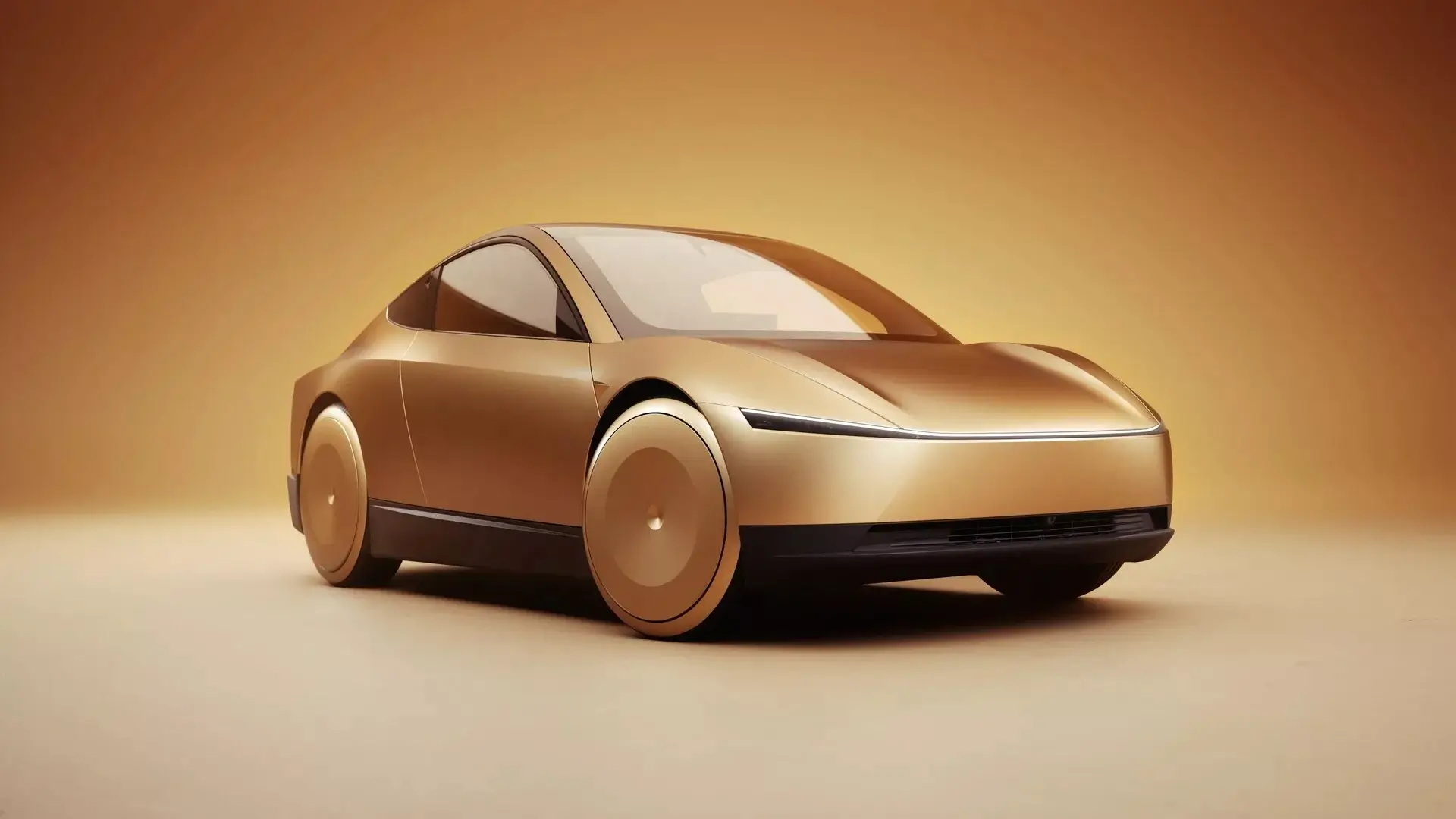
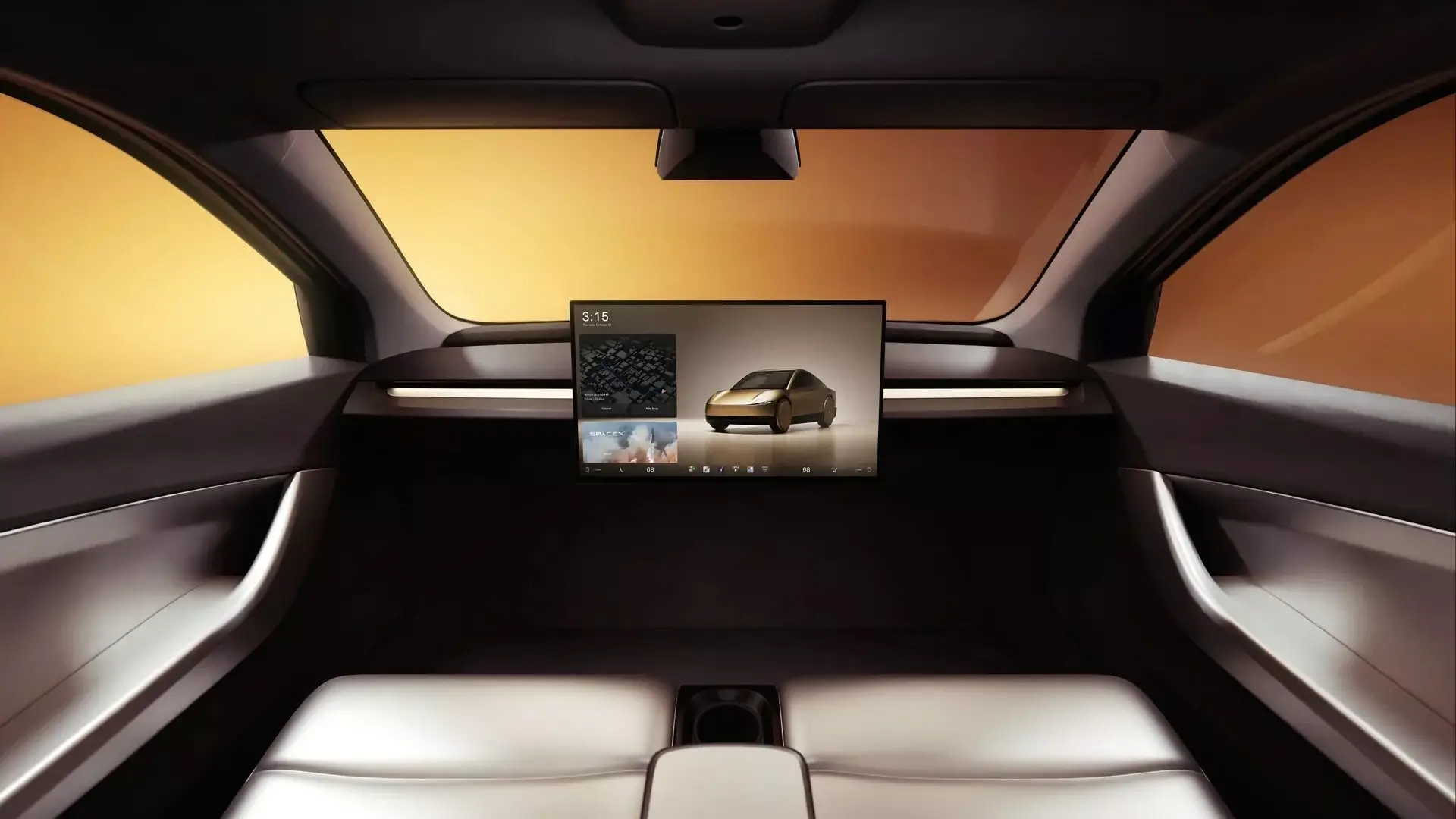
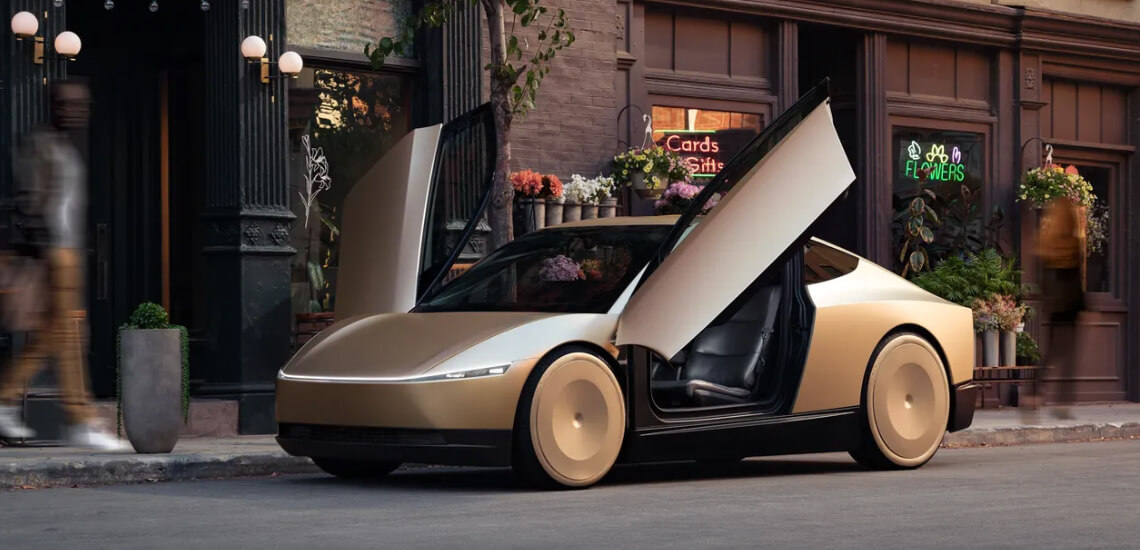
Tesla is taking a giant leap into the future of transportation with the introduction of the Cybercab, a revolutionary self-driving robotaxi. Priced at around $30,000, this futuristic vehicle is set to hit production by 2026, offering consumers a fully autonomous driving experience. The Cybercab’s standout features include the complete absence of a steering wheel or pedals, marking Tesla’s bold vision for a world of driverless vehicles.
Autonomous Driving Technology at Its Core
At the heart of the Tesla Cybercab lies the company’s latest advancements in Full-Self Driving (FSD) technology. This vehicle is designed to be a purpose-built autonomous car, setting it apart from other robotaxi prototypes in the market. Tesla is banking on its proprietary FSD system, aiming to launch unsupervised versions of the technology by 2025, with full regulatory approval anticipated by the time production begins.
Tesla CEO Elon Musk has emphasized the safety benefits of autonomous cars, stating they could be 10 to 20 times safer than human-driven vehicles. With a cost as low as 20 cents per mile, the Cybercab aims to outperform city buses and traditional ride-hailing services like Uber and Lyft, making it an economical and efficient solution for future transportation needs.
Minimalist Design and Futuristic Features
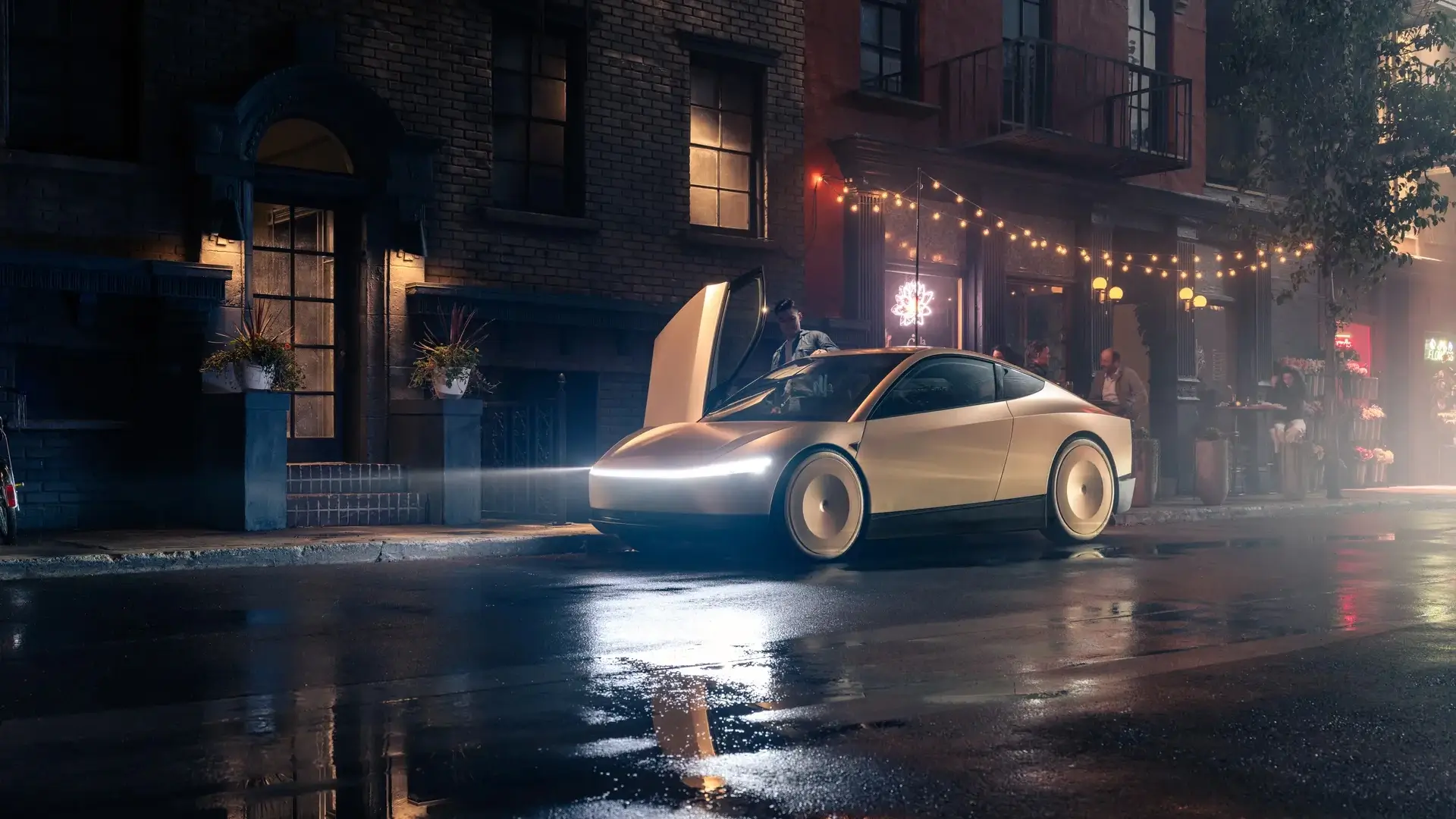
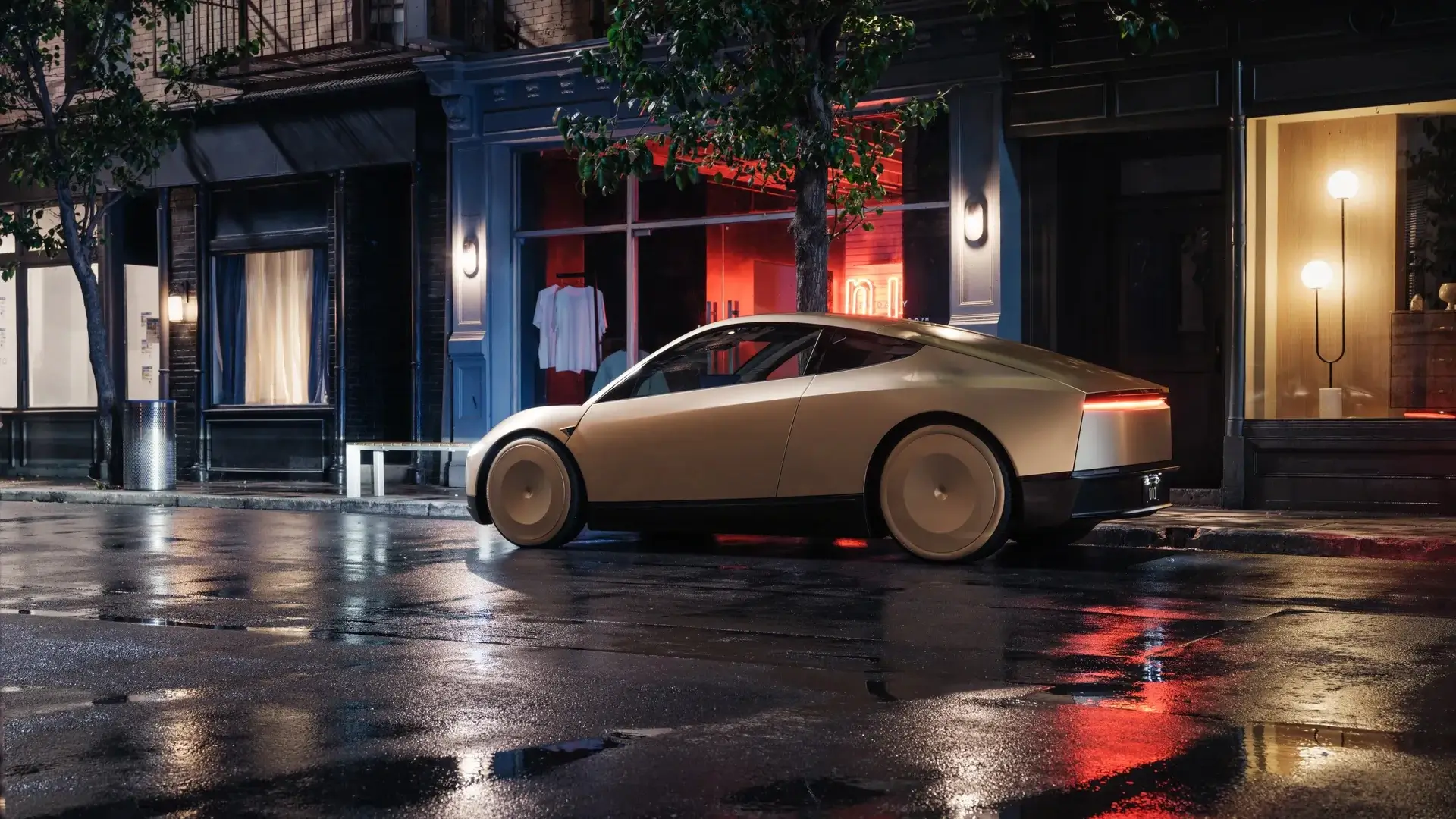
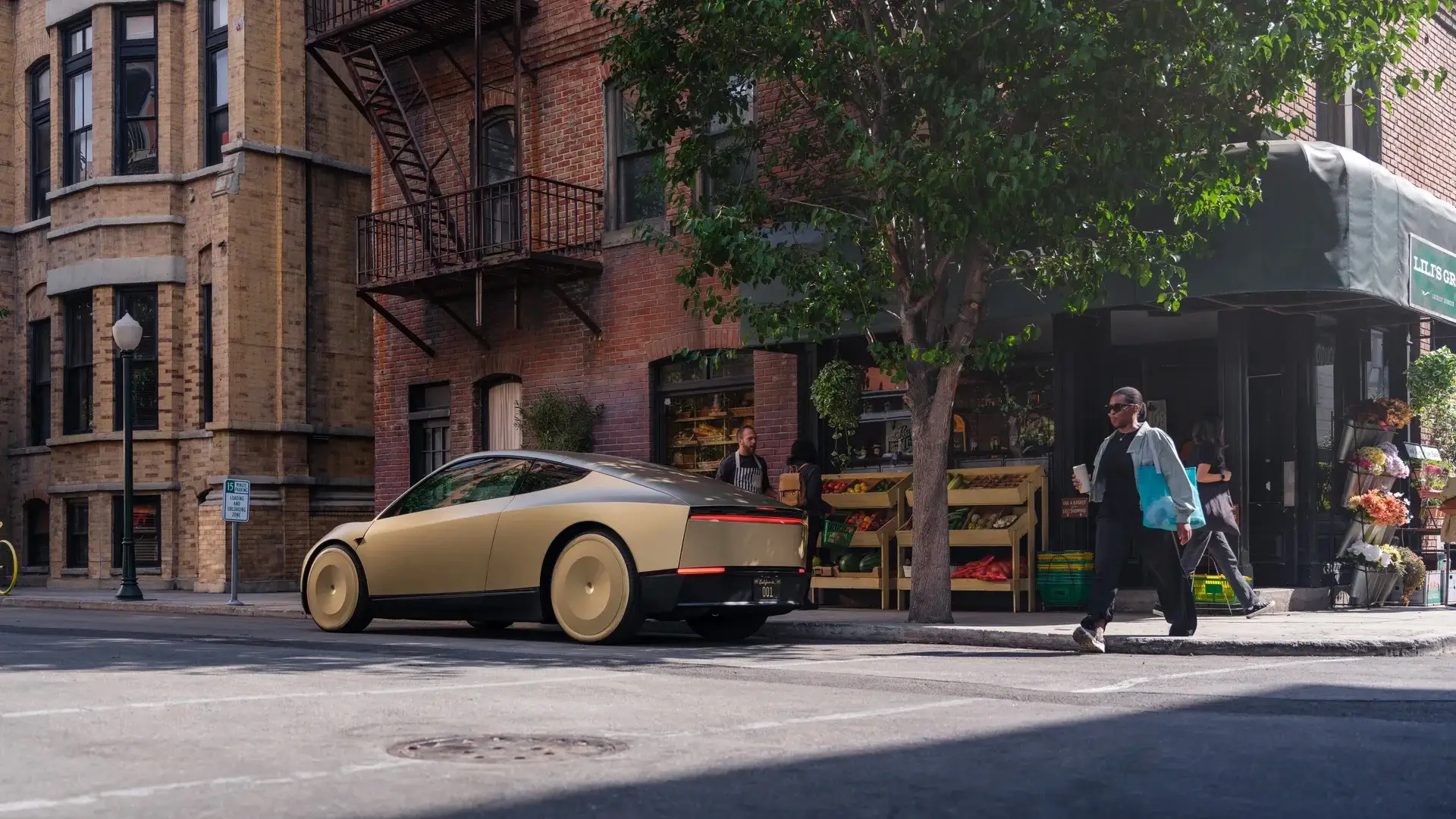
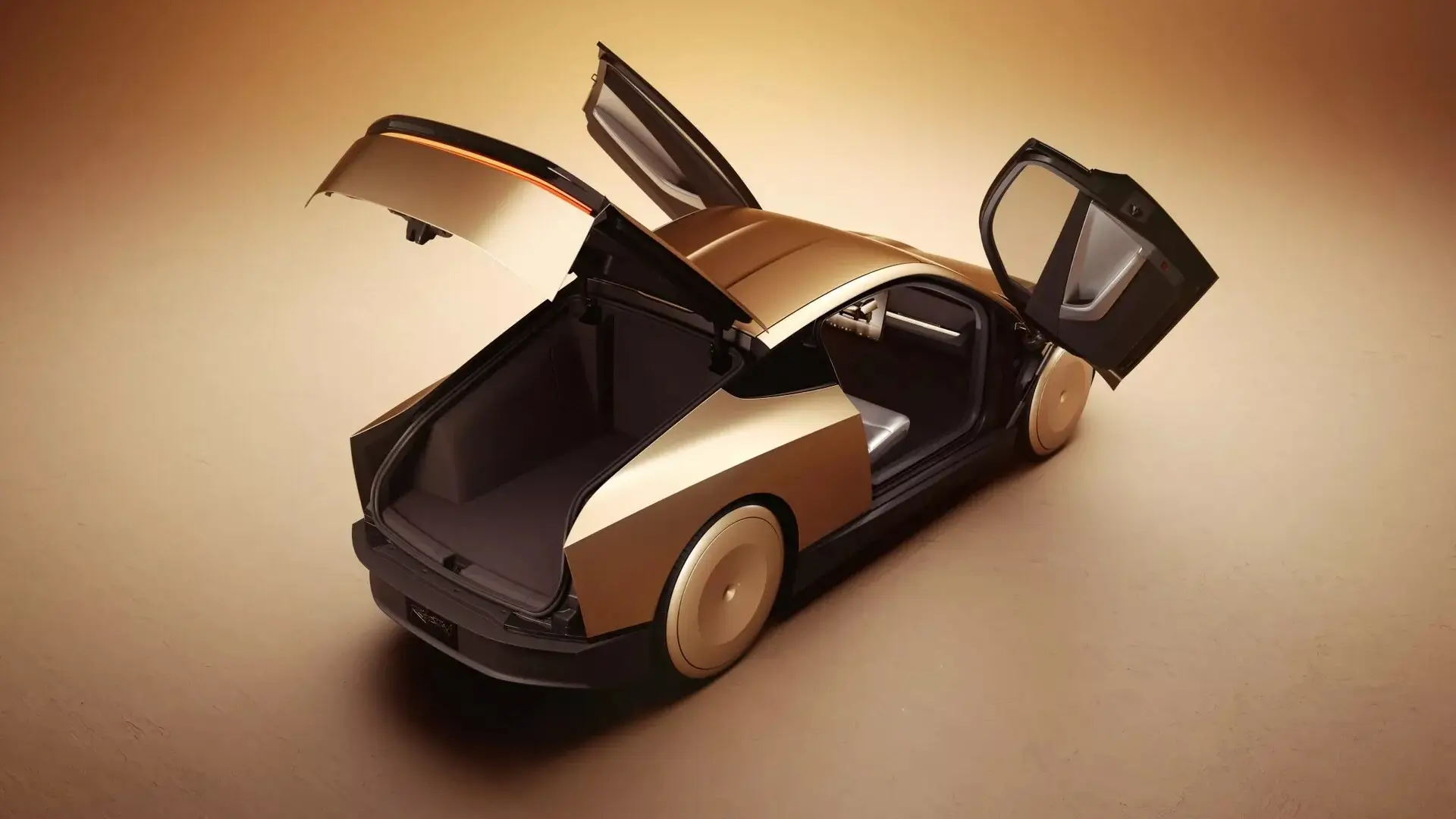
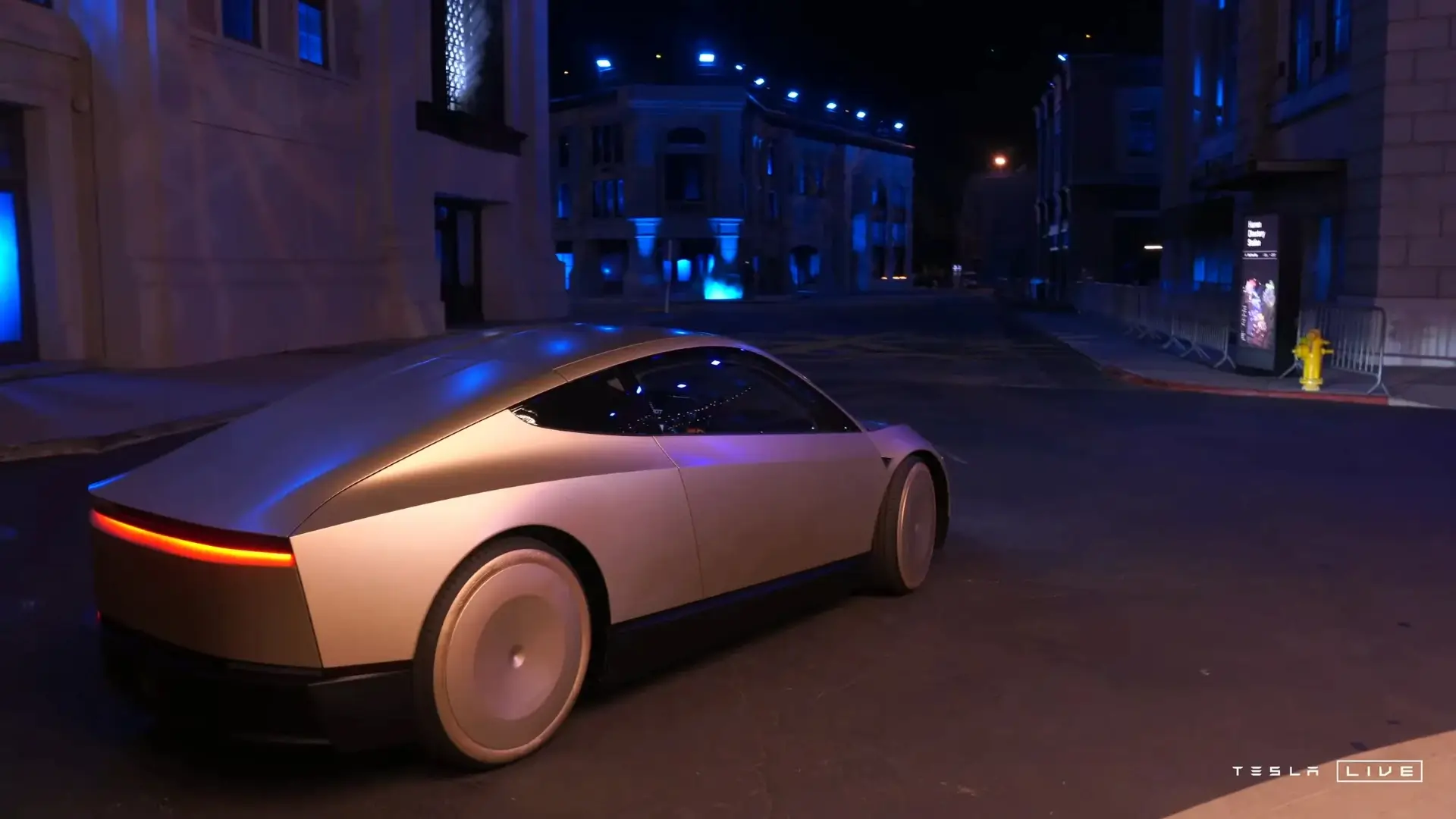
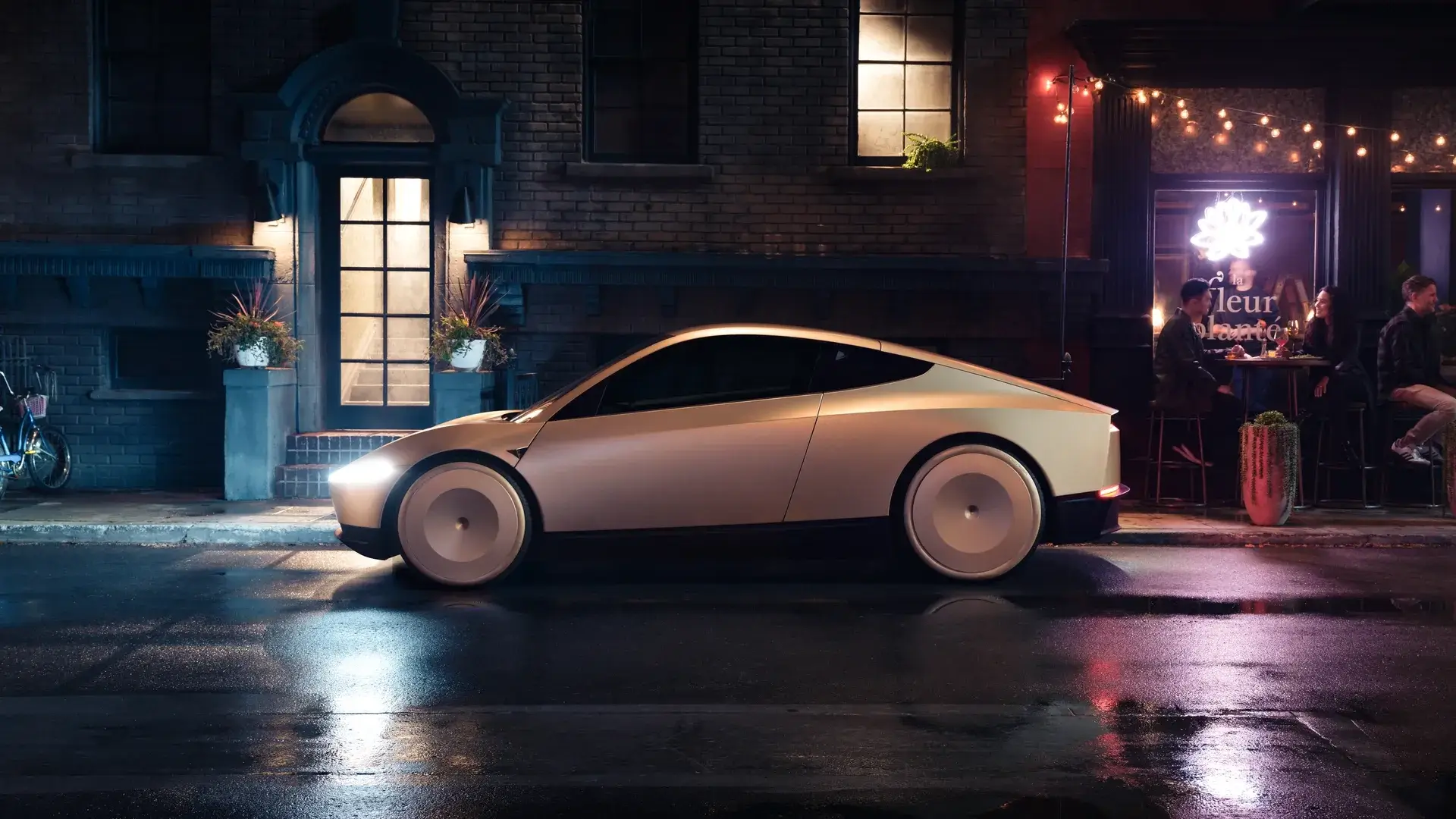
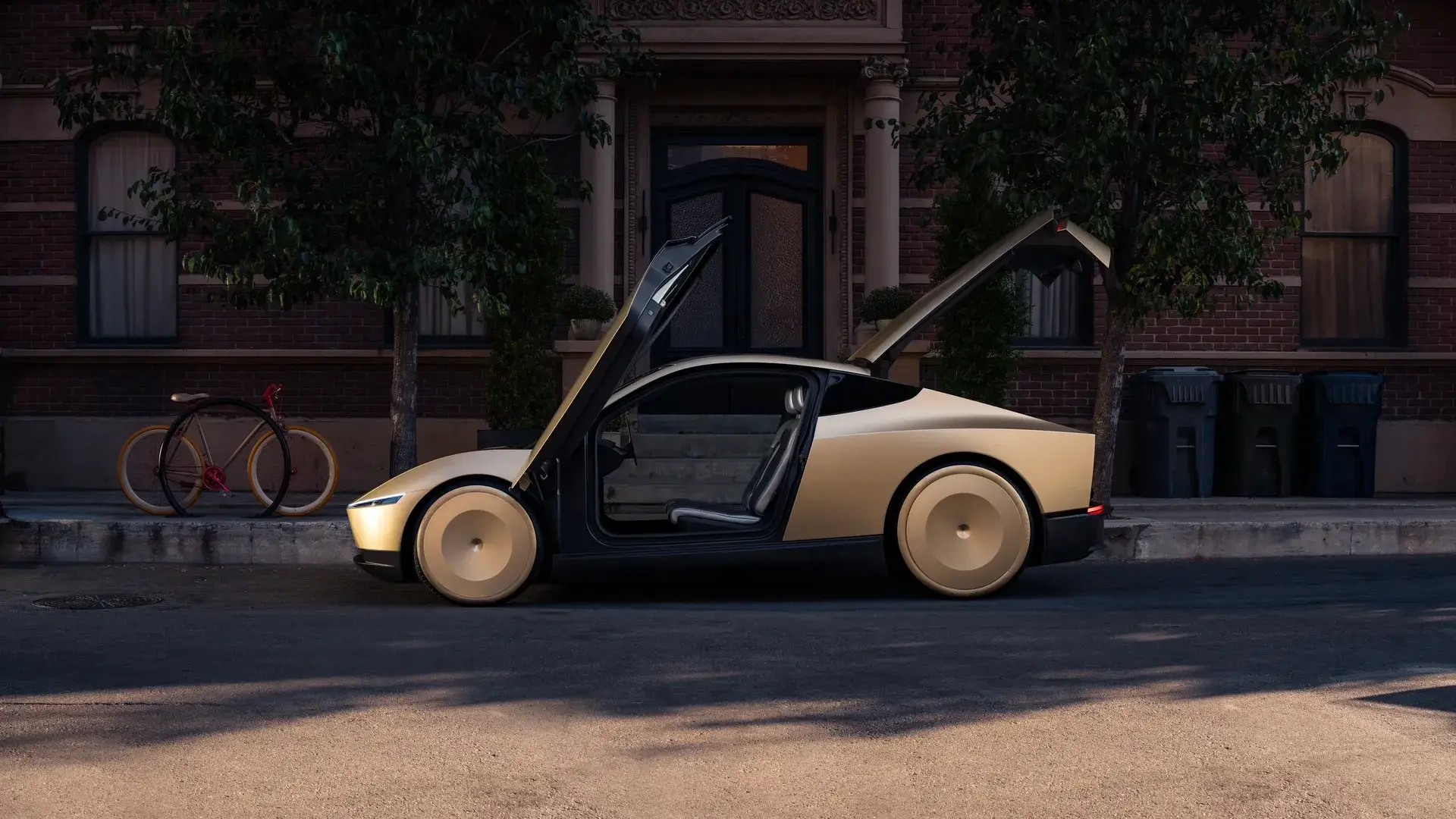
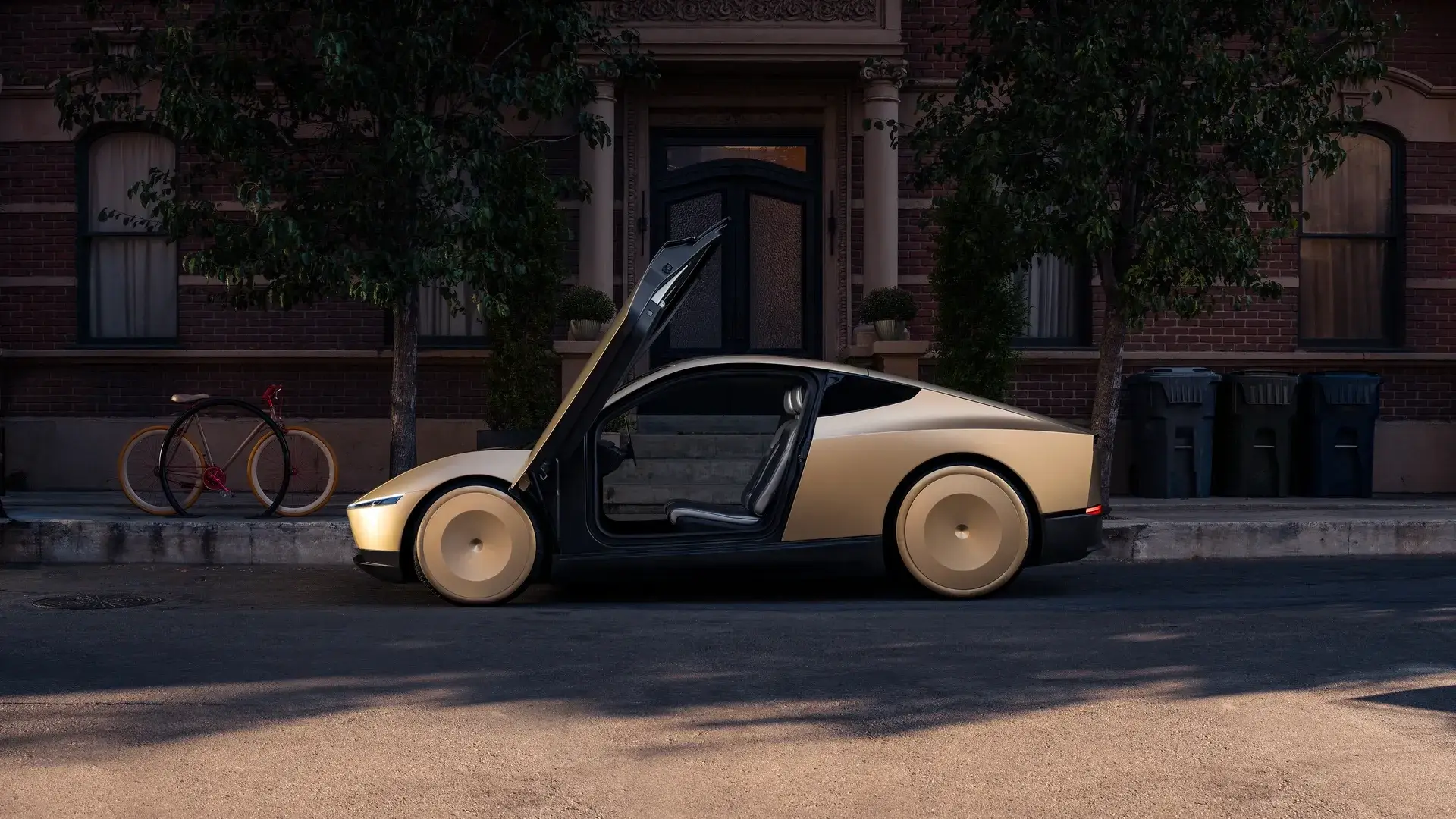
One of the most striking elements of the Cybercab is its futuristic and minimalist design. Inspired by Tesla’s Cybertruck, the Cybercab ditches traditional features like mirrors, rear windows, and wing mirrors, thanks to its fully autonomous capabilities. Its sleek body is enhanced by butterfly doors—a supercar-inspired feature meant to improve accessibility in tight spaces.
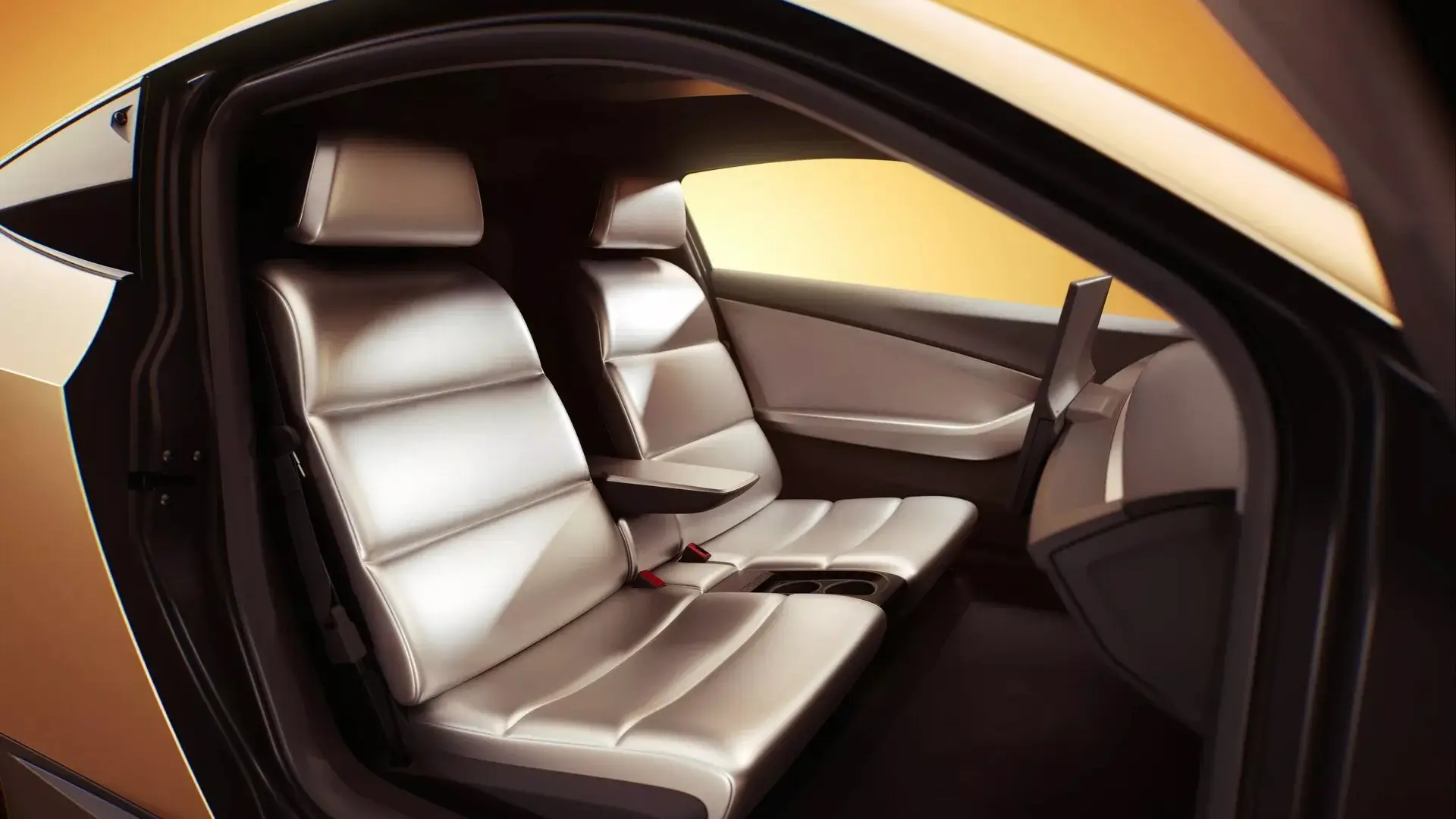
The interior reflects Tesla’s signature minimalist approach, offering a spacious cabin for two passengers and a large central infotainment screen reminiscent of the Model 3 or Model Y. Tesla’s attention to aerodynamics is evident with the inclusion of aero covers on the wheels, further optimizing its range.
The Challenge of Regulatory Approval
Before Tesla can begin selling the Cybercab, it will need to navigate a maze of regulatory challenges. The absence of a steering wheel or pedals means that U.S. road laws will need to adapt to accommodate truly driverless cars. Tesla’s focus on Level 5 autonomy, where no human intervention is required, places it at the forefront of regulatory discussions. Currently, Waymo and Cruise have racked up millions of miles with their driverless taxis, but Tesla is taking a different approach by relying on camera-based sensors rather than LiDAR technology.
Musk’s past promises of full autonomy have faced criticism and legal challenges, with Tesla’s Autopilot and Supervised Full-Self Driving being at the center of several high-profile crashes. However, Musk remains confident that the Cybercab will not only meet safety standards but surpass them, creating a safer and more efficient form of transportation.
A Vision Beyond Cars: Tesla’s AI Ambitions
Beyond the Cybercab, Tesla is venturing into AI with projects like the Optimus robot, priced between $20,000 and $30,000. This humanoid robot aims to perform everyday tasks and signals Musk’s ambition to transition Tesla into a leading robotics and artificial intelligence company. The combination of autonomous cars and AI robots highlights Tesla’s push toward creating an interconnected future.
The Road Ahead: Key Questions Remain
Despite the excitement surrounding the Cybercab, several critical questions remain unanswered. Tesla has yet to reveal details about the vehicle’s range and powertrain, which are vital for a robotaxi expected to be in constant use. Additionally, while Tesla claims the Cybercab will be in production by 2026, the company’s history of delayed launches—like the Cybertruck and Roadster—suggests that the timeline might be optimistic.
Nevertheless, the unveiling of the Tesla Cybercab marks a pivotal moment in the future of autonomous transportation. Whether Tesla can deliver on its promises remains to be seen, but the Cybercab is poised to become a key player in the rapidly evolving landscape of autonomous vehicles.
Conclusion
Tesla’s Cybercab is more than just a car; it’s a symbol of the company’s audacious goals in the realms of autonomous driving and AI. With its futuristic design, cutting-edge technology, and potential to revolutionize urban transport, the Cybercab could be the key to Tesla’s future dominance in the automotive industry. However, the path to widespread adoption is fraught with challenges, including regulatory approval, technical refinement, and public trust in fully autonomous vehicles.
For now, the world waits to see if the Tesla Cybercab will truly drive us into a new era of transport, or if it will remain another ambitious dream from Elon Musk’s visionary mind.
Search From Articles
Trending Now
Polestar 4 Debuts in the UAE: Luxury EV with a Starting Price of AED 237,900
November 15, 2024
Tesla Cybercab: The $30,000 Robotaxi Revolutionizing Autonomous Transport
October 18, 2024
Tesla’s RoboVan: Redefining Urban Mobility with Autonomous Innovation
October 19, 2024Search your dream car
