
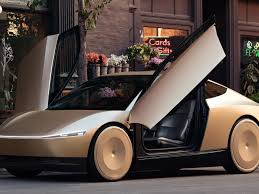
Tesla’s RoboVan: Redefining Urban Mobility with Autonomous Innovation
- Upcoming Models, Van
- Yalla Wheel
- October 19, 2024
Tesla's Vision Unveiled: A Glimpse into the Autonomous Future
Tesla continues to push the boundaries of innovation, and their latest reveal—the Tesla RoboVan—is no exception. Introduced at the “We, Robot” event, this futuristic vehicle was one of the surprise announcements, alongside the highly anticipated Tesla Cybercab and the Optimus humanoid robot. Tesla CEO Elon Musk’s presentation emphasized the RoboVan as a game-changer for both urban transportation and goods logistics, designed to merge style, functionality, and sustainability.
A Van Like No Other: Futuristic Design & Autonomous Features
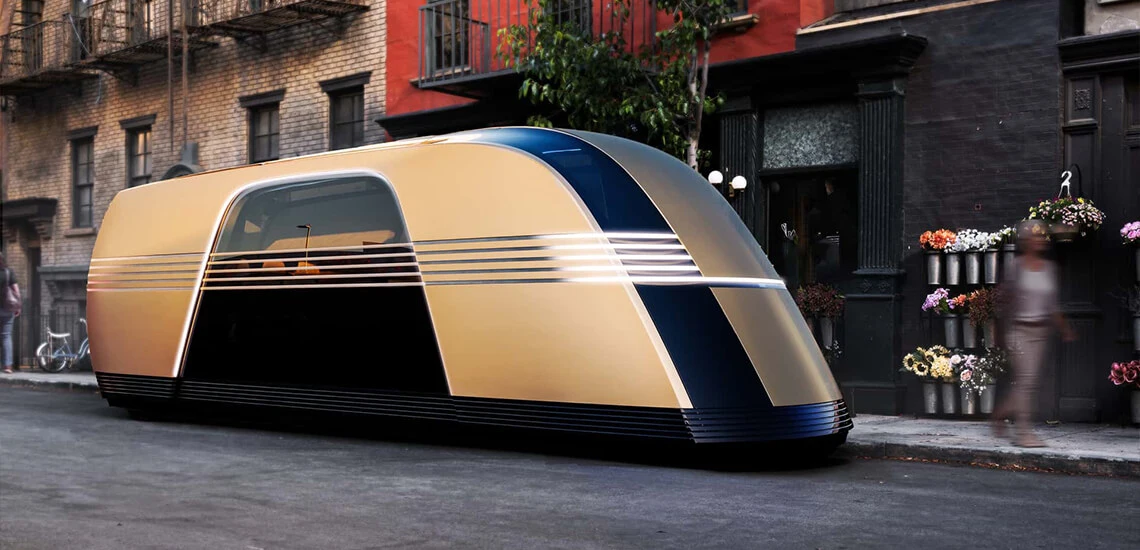
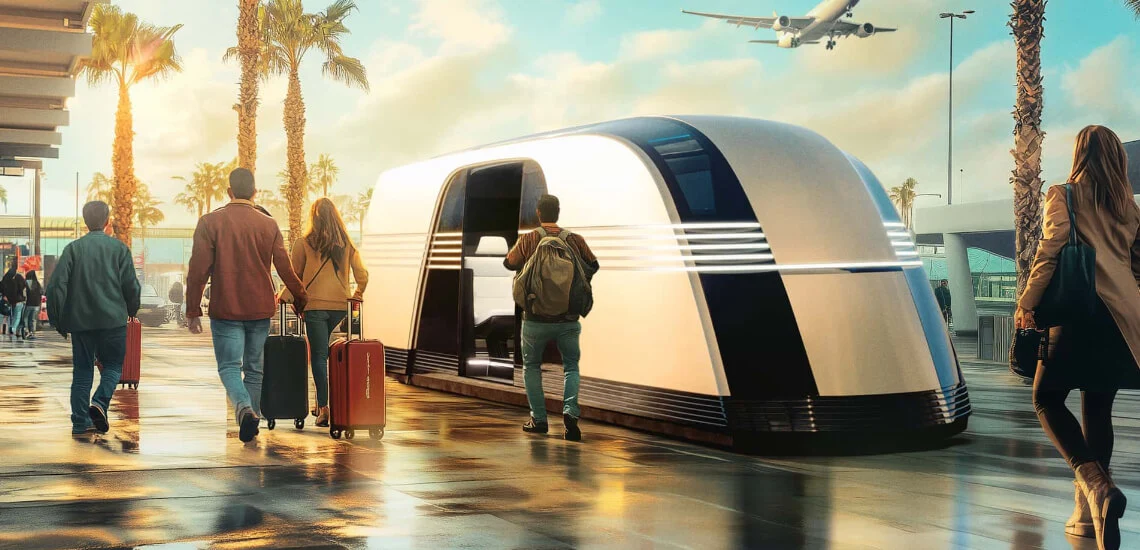
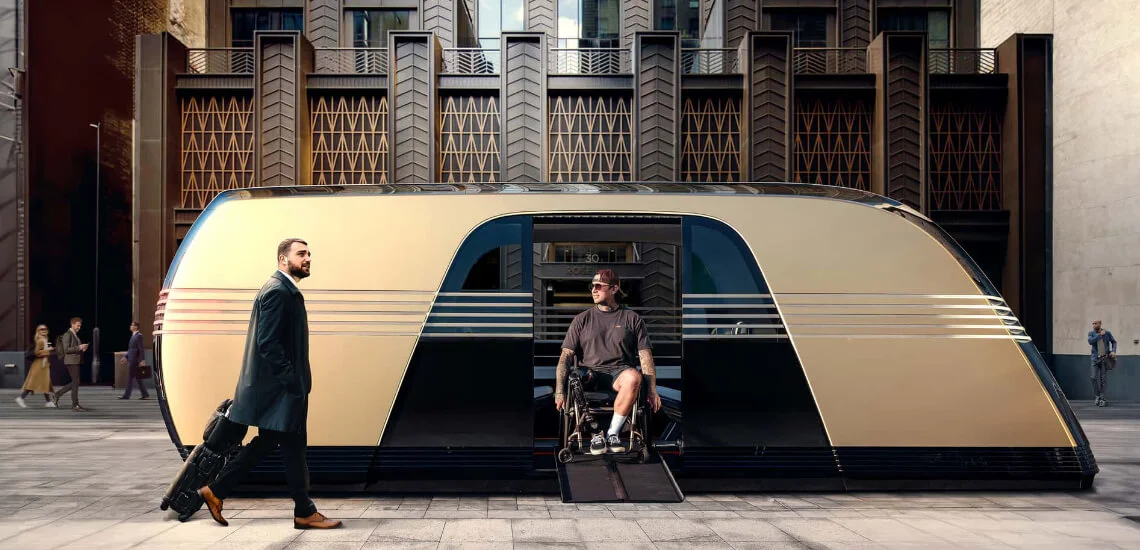
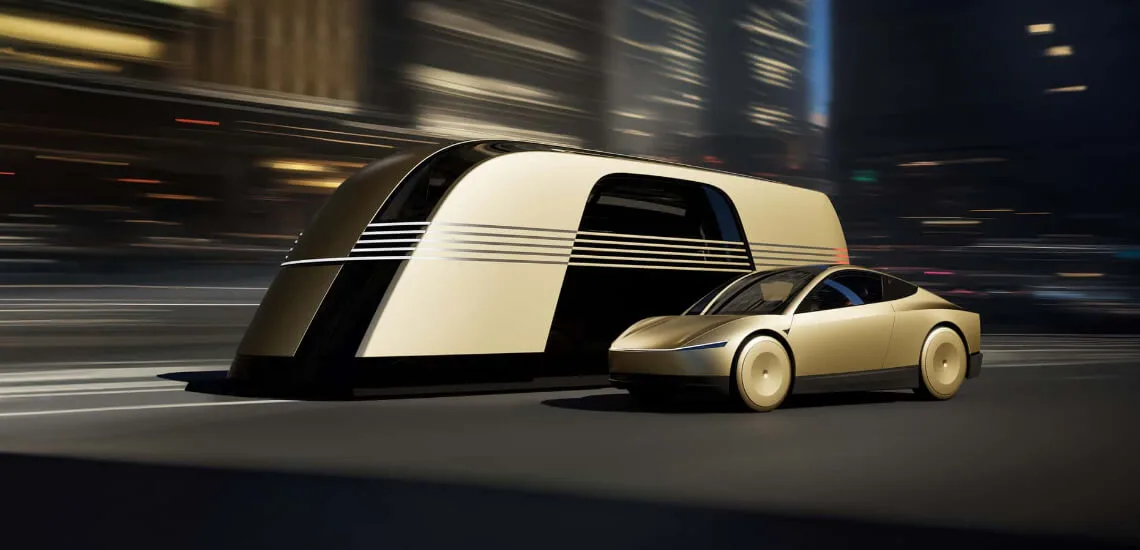
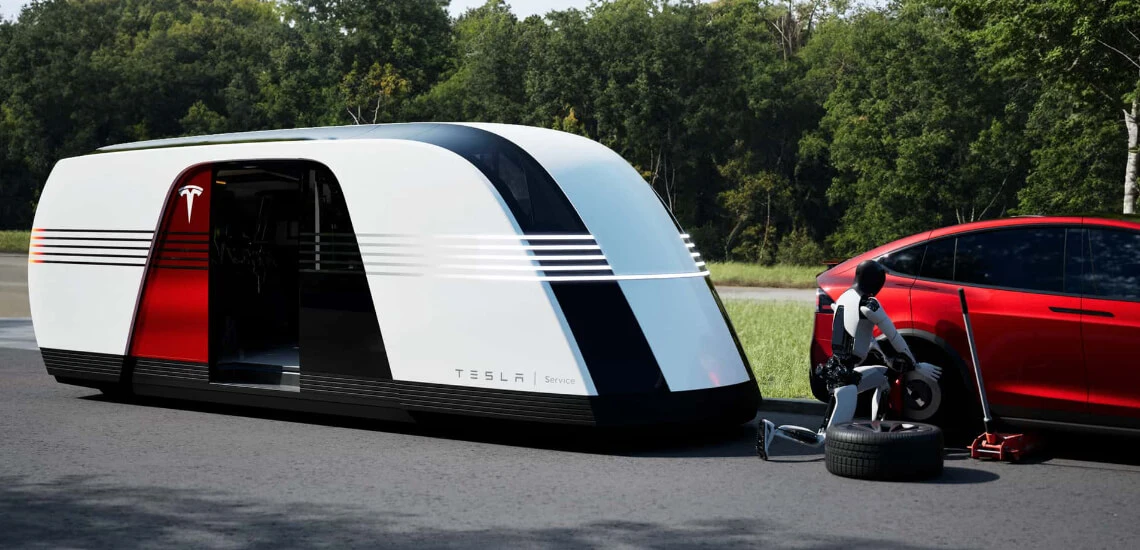
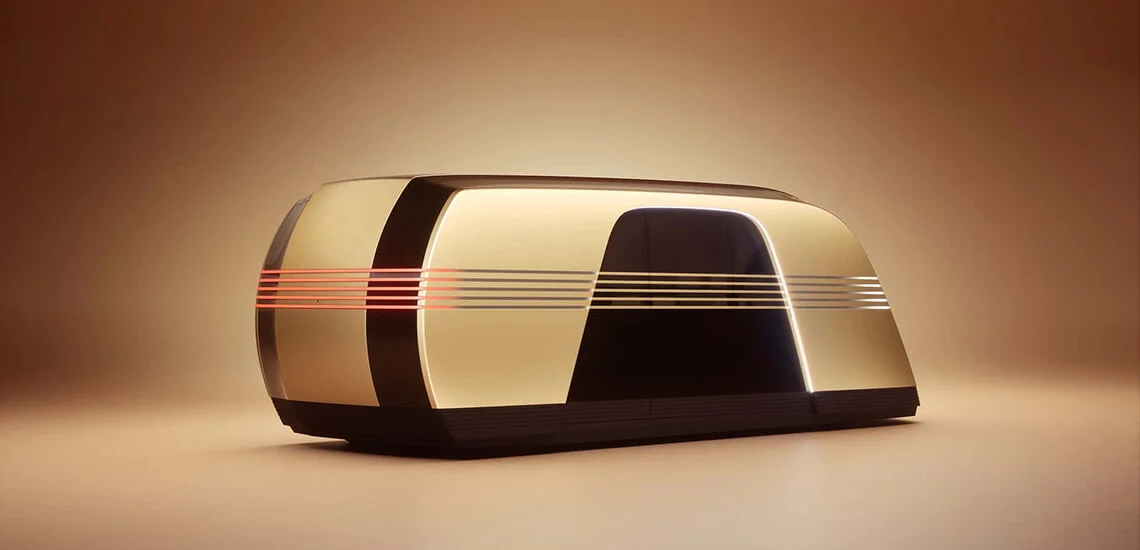
The Tesla RoboVan is nothing like the traditional vans we know. It boasts a sleek Art Deco-inspired design that nods to the 1930s locomotives, reflecting Tesla’s ambition to make futuristic transport look stunning. With no visible wheels, windshield, or driver’s cockpit, the RoboVan is fully autonomous, signaling Tesla’s vision for the future of self-driving vehicles. As Musk put it, “We want the future to look like the future,” and the RoboVan is set to deliver on that promise.
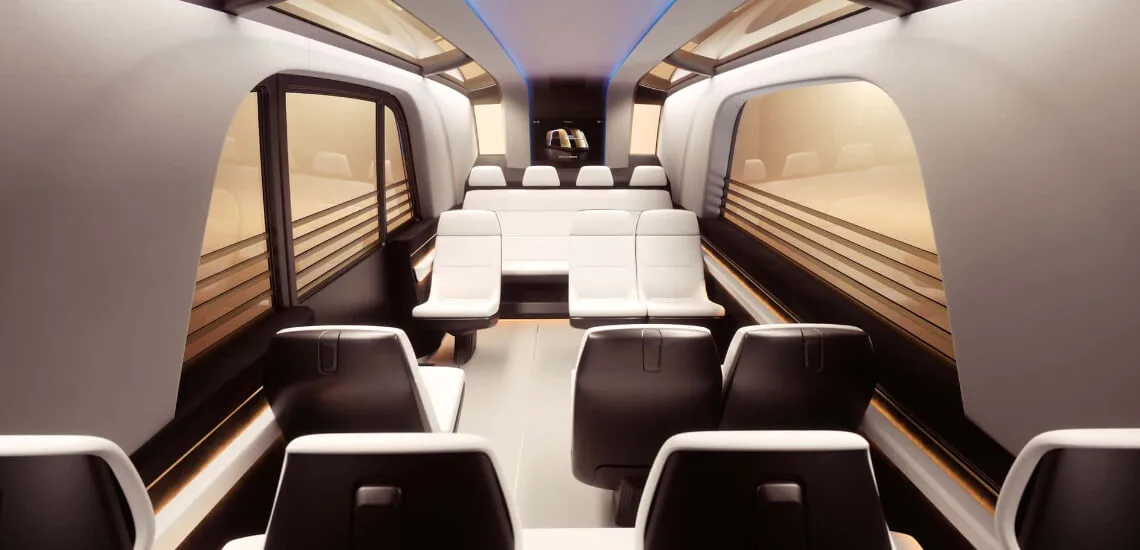
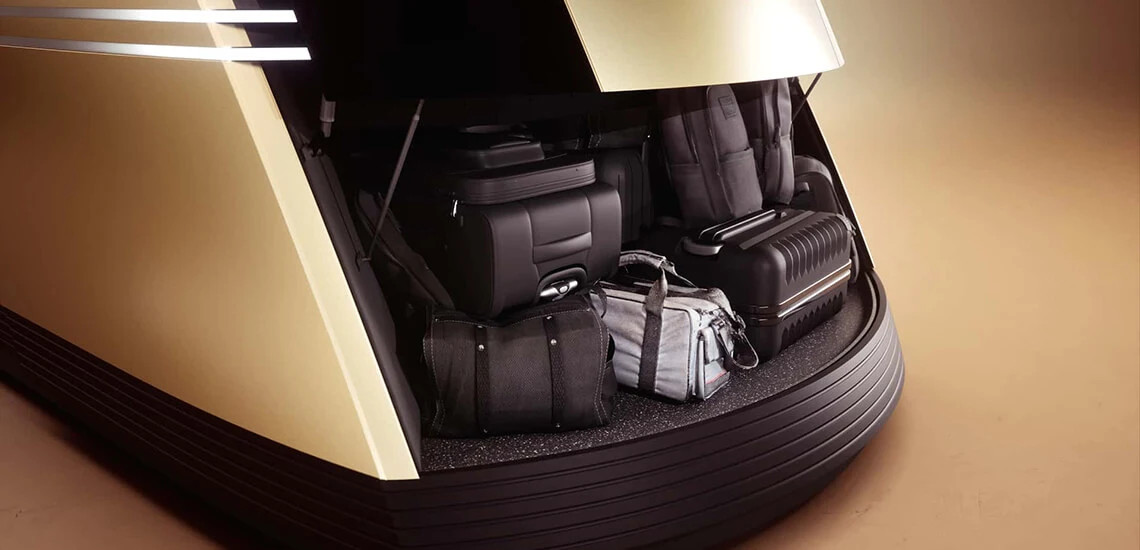
Designed to seat up to 20 passengers, the RoboVan is versatile, doubling as a cargo transporter. This flexibility could make it invaluable for urban mobility, carrying groups like sports teams or businesses, or for more commercial applications like freight transport. Notably, it could play a pivotal role in high-density environments such as Tesla’s Boring Company tunnels or systems like the Las Vegas Loop, providing an efficient solution for urban transportation challenges.



Tech-Powered Performance
The RoboVan’s technological prowess isn’t just in its autonomous driving capabilities. Musk revealed that it will feature inductive charging, meaning the vehicle can charge itself without plugging in—perfect for the upcoming Tesla Network, a fleet of self-driving cars designed for a ride-hailing service. The automatic load-leveling suspension system ensures the RoboVan adapts to road conditions, maintaining a smooth ride, even on rougher terrains.
Though concrete details on pricing, technical specs, or release dates weren’t disclosed, the RoboVan’s design and autonomous capabilities are already sparking curiosity about its potential role in transforming urban mobility.
The Bigger Picture: Part of Tesla’s Autonomous Future
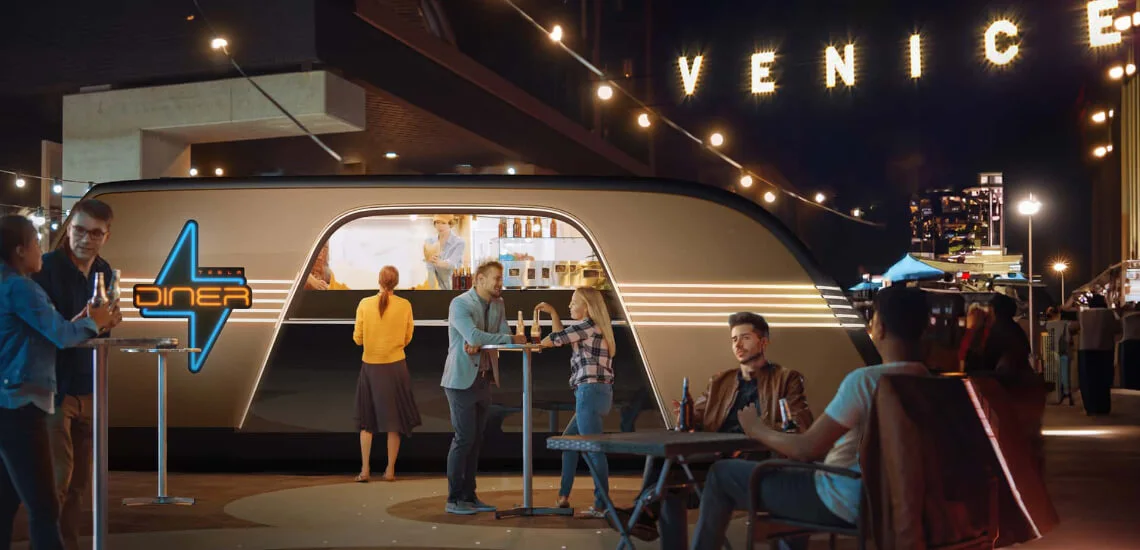
The RoboVan is part of Tesla’s broader strategy to democratize transportation and make it more sustainable, affordable, and efficient. While Tesla’s Cybercab will cater to smaller groups with its two-seat design, the RoboVan is a solution for larger passenger groups. Musk also teased its adaptability as a mobile workspace, food truck, or even a school bus.
However, Tesla has faced challenges in the past with fulfilling bold promises, as seen with the delayed releases of the Cybertruck, Semi, and Roadster. Musk’s timeline optimism leaves questions about when the RoboVan will hit the roads. Some industry experts predict that, like Tesla’s Robotaxi, we might not see the RoboVan in production until at least 2027.

Autonomous Competition: Tesla vs. the World
Tesla isn’t the only company working on self-driving vans. The concept of autonomous public transport is gaining momentum, with companies like Zoox (Amazon-owned) and General Motors’ Cruise both having revealed their takes on driverless shuttles. While GM’s Cruise Origin was shelved due to regulatory challenges, Tesla’s RoboVan could face similar hurdles before it can truly reshape the streets.
Despite these obstacles, Tesla remains committed to pushing the envelope in the electric and autonomous vehicle industry, aiming to redefine the future of transportation.
Search From Articles
Trending Now

Polestar 4 Debuts in the UAE: Luxury EV with a Starting Price of AED 237,900
November 15, 2024
Tesla Cybercab: The $30,000 Robotaxi Revolutionizing Autonomous Transport
October 18, 2024
Tesla’s RoboVan: Redefining Urban Mobility with Autonomous Innovation
October 19, 2024Search your dream car
